
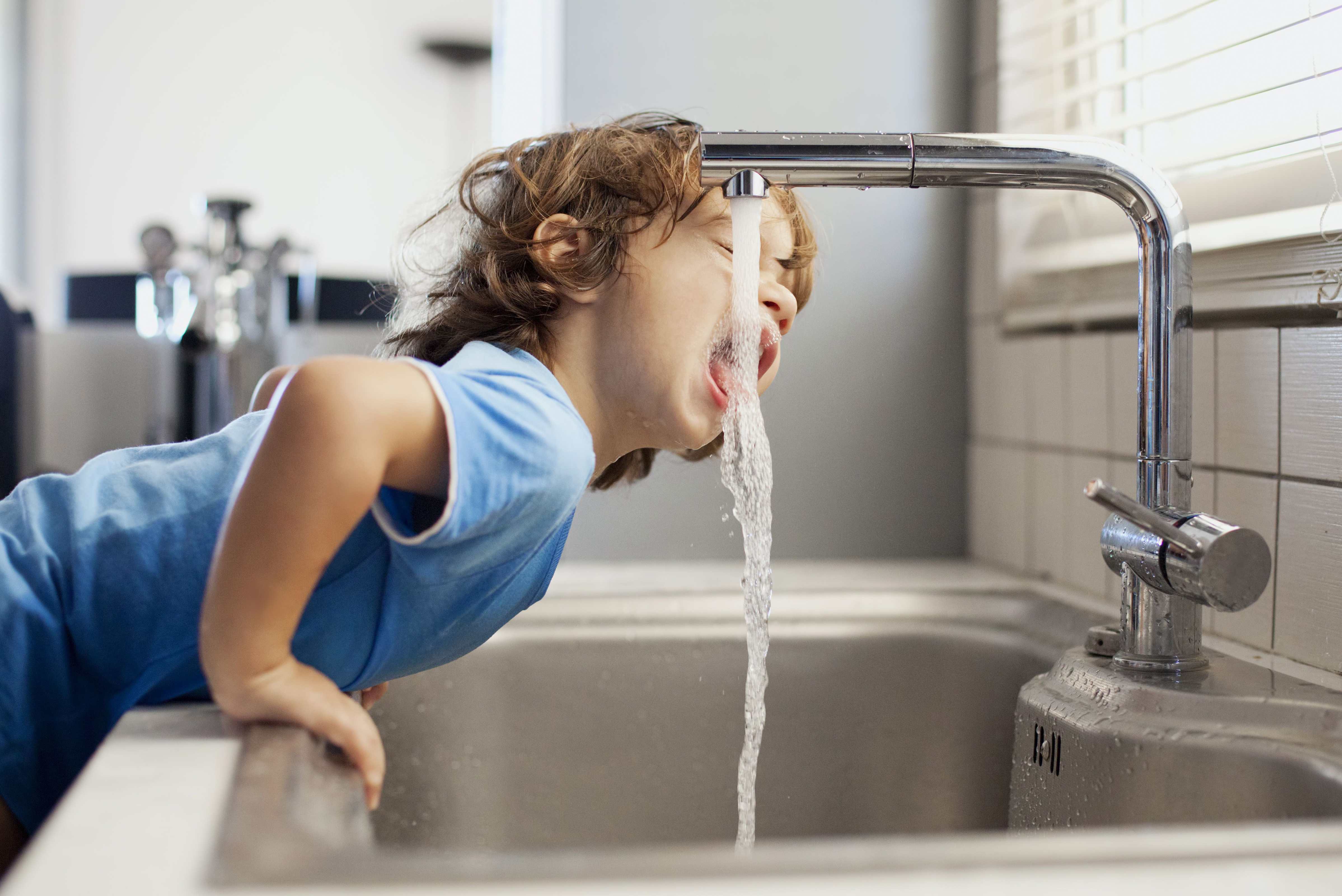
There are more than 80,000 chemicals used in industry and commerce.
How many of them do you think are regulated in drinking water in the United States?
Only 96 out of 80,000! The majority of chemicals in drinking water are NOT regulated.
What have been done? What do the latest data show?
What about your own county? What can you do?
This website allows you to find out more about tap water quality in your home county, as well as the entire continental US.
We will look closer into 28 potentially most harmful chemicals, which are currently beyond government's regulation.
CLICK on the circle to explore the 28 chemical contaminants covered in this interactive website, and the label to learn more about these chemicals.
The graph presents all the counties in the US. The y-axis is the Water contamination index*. Lower scores mean better quality. The x-axis is the number of water samples tested in a county. Higher numbers mean more extensive examination. The bubble size represents the population size of a county.
*Water contamination index = log base 10 of ratio between concentration and Method Reporting Limit (MRL).
e.g., chemical X is detected at 100 times the MRL, then its water contamination index is log_10(100)=2.
- North East
- Mid-Atlantic
- South-East
- Mid-West
- South West
- North West
- West
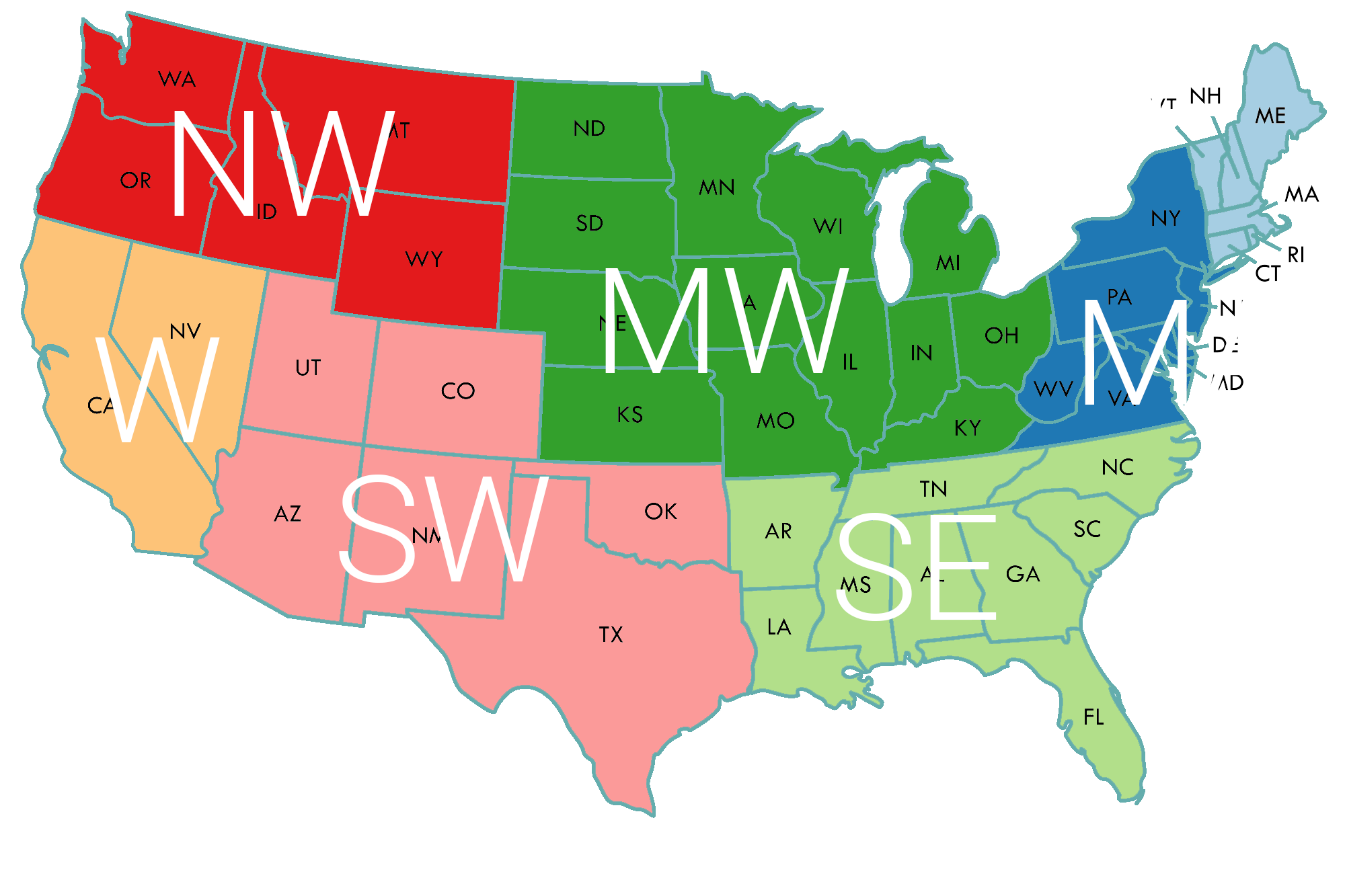
The latest survey of unregulated contaminants in U.S. tap water is the EPA third Unregulated Contaminant Monitoring Rule. All public water supplies serving more than 10,000 people and 800 representative PWSs serving 10,000 or fewer people monitored for 28 chemical contaminants from 6 groups during a 12-month period from January 2013 through December 2015. Explore the tap water contamination level by county or state by hovering over of clicking the region on the map.
Under reporting is generally an issue for drinking water quality. This problem is particularly serious for private well users. Using geohydrological knowledge and existing monitoring database, we can predict the risk of drinking water contamination using a random forest model. This will guide future sampling efforts. Click on the "observed" and "predicted" layer to see model performance.
There are a variety of ways you can help, from activism and “good” citizenship (e.g., organizing demonstrations, voting) to private-sphere behaviors.
 Contaminated tap water may look fine, smell fine, and taste fine.
The best way to figure out the water quality is to send it for testing.
If you are interested in testing your tap water for the list of compounds shown on this website.
Here is a list of labs certified by the Environmental Protection Agency.
Contaminated tap water may look fine, smell fine, and taste fine.
The best way to figure out the water quality is to send it for testing.
If you are interested in testing your tap water for the list of compounds shown on this website.
Here is a list of labs certified by the Environmental Protection Agency.
 Tap water is a public good and deserves a systematic fix. The best way to demonstrate your green citizenship is to
let your voice be heard. This way you also help underprivileged groups who may not have the resources to reach out. You can reach out to local political officials and express your concern.
Tap water is a public good and deserves a systematic fix. The best way to demonstrate your green citizenship is to
let your voice be heard. This way you also help underprivileged groups who may not have the resources to reach out. You can reach out to local political officials and express your concern.
 Some NGOs in the US have realized this challenge the country faces and started to provide information to the public on tap water quality.
Environmental Working Group has assembled over 30 million data entries from 50 states over the
last decade and curated them in their tap water quality database.
Some NGOs in the US have realized this challenge the country faces and started to provide information to the public on tap water quality.
Environmental Working Group has assembled over 30 million data entries from 50 states over the
last decade and curated them in their tap water quality database.
 Skip that bottled water! Bottled water is NOT better quality and is usually BAD for the environment.
An alternative quick-fix (though not perfect) is to use a water filter at home.
There is no one size fits all, the best water filter will fit your own needs and the budget of your family. We have a guide for you.
Skip that bottled water! Bottled water is NOT better quality and is usually BAD for the environment.
An alternative quick-fix (though not perfect) is to use a water filter at home.
There is no one size fits all, the best water filter will fit your own needs and the budget of your family. We have a guide for you.
Xindi (Cindy) Hu

Cindy is a doctoral candidate in Environmental Health at Harvard T.H.Chan School of Public Health. Her thesis examines drinking water contaminants in the U.S. and their relevant human health risks.
Dan Tompkins

Daniel is a candidate for Masters in Design Studies (MDes-- Art, Design, and the Public Domain) at Harvard University. He received a Bachelor of Architecture from Cornell University and works in a variety of design media.
Paul von Chamier

Paul is a candidate for Masters in Public Administration in International Development at Harvard University. He specializes in data analysis and econometrics. He gathered professional experience at the World Bank and Procter&Gamble eBusiness.